The Federal Government has condemned the recurring xenophobic attacks against Nigerians and other African nationals in South Africa, calling on the South African authorities to take immediate and decisive steps to end the violence.
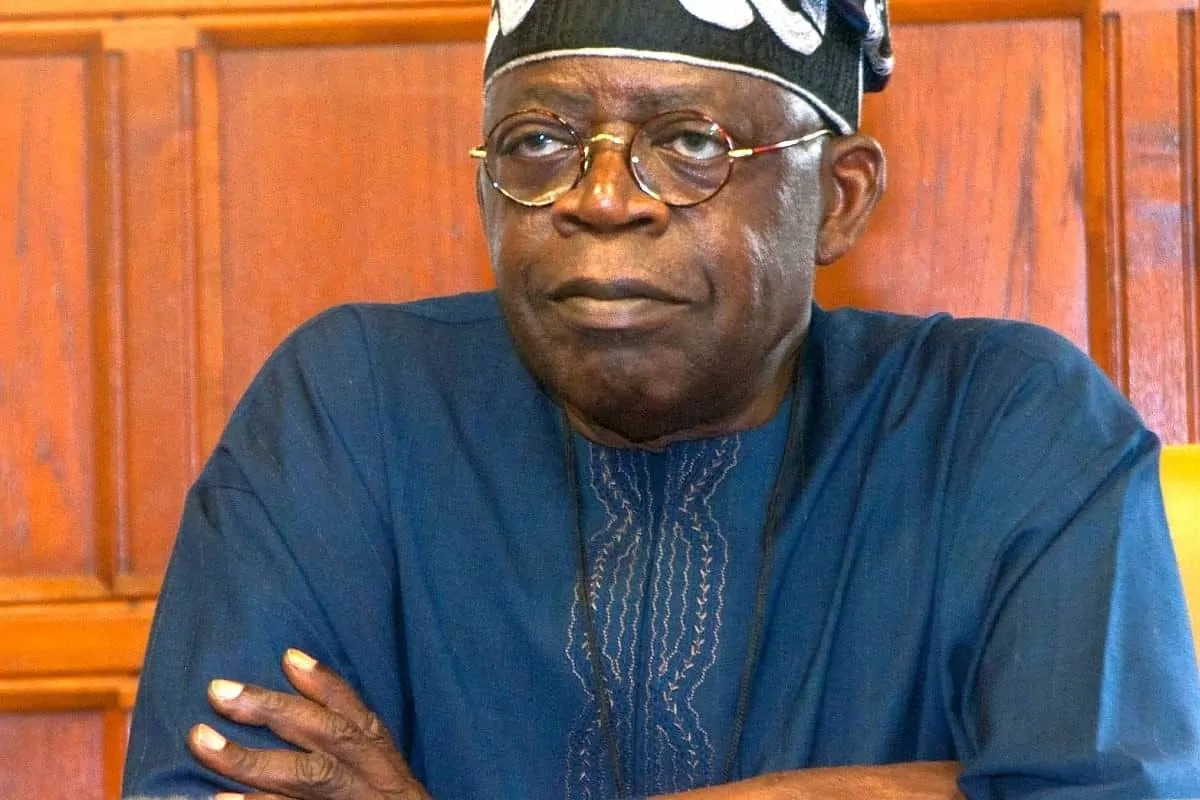
The condemnation came as President Bola Tinubu declined to personally receive a special envoy sent by South African President Cyril Ramaphosa amid rising diplomatic concerns over the attacks.
Instead, the President directed the delegation, led by South Africa’s Minister of International Relations and Cooperation, Ronald Lamola, to hold discussions with the Minister of State for Foreign Affairs, Ambassador Sola Enikanolaiye.
According to Presidency sources, the South African delegation arrived in Abuja on Friday carrying a message from President Ramaphosa but had not secured prior approval for a meeting with Tinubu.
One of the sources told The PUNCH:
“They actually came here on Friday wanting to see the President. But there was no prior notice.
“We said we couldn’t just allow them to see the President without first asking if he was available. When Monday came, the President directed that they should meet the Minister of State for Foreign Affairs, Ambassador Enikanolaiye, who would brief him afterwards.”
Another Presidency source said no appointment had been scheduled between the President and the visiting delegation.
A third source disclosed that the Minister of Foreign Affairs, Bianca Odumegwu-Ojukwu, who was attending engagements in Addis Ababa, Ethiopia, advised that it would not be appropriate for the President to receive the envoy while reports of attacks on Nigerians and their businesses in South Africa were still ongoing.
FG Condemns ‘Afrophobic’ Attacks
Speaking while receiving the delegation in Abuja, Ambassador Enikanolaiye said President Tinubu directed the meeting to enable both countries exchange views on resolving the crisis.
He stressed that the long-standing relationship between Nigeria and South Africa should not be undermined by attacks targeting African migrants.
He said:
“It is with profound pleasure that I welcome our brothers from South Africa. President Bola Ahmed Tinubu had actually asked us to meet with you and exchange views and perspectives on how to address and resolve the ongoing Afrophobic attacks in South Africa, of which Nigerians and other citizens of Africa have been victims,”
Enikanolaiye expressed concern over what he described as a recurring pattern of violence stretching back more than three decades.
According to him:
“We have seen a pattern emerge as early as 1995, 1998, 2006, 2015, 2016, 2019, 2021, 2024 and 2026,”
The minister disclosed that dozens of Nigerians had lost their lives in mob violence and hate-related attacks in South Africa in recent years.
He stated:
“From 2022 alone, 98 Nigerians have died in mob actions and hate-related attacks that we have described as Afrophobia because Africans, particularly Nigerians, are the predominant victims,”
Enikanolaiye maintained that while the Nigerian government would not defend citizens involved in criminal activities, anyone accused of an offence must be treated in accordance with the law and internationally recognised human rights standards.
He said:
“The Nigerian government will not support drug peddlers, but what we are saying is that anyone accused of an offence should be treated in accordance with your constitution, international human rights instruments and the minimum requirements of humanity,”
The minister further noted that the attacks were no longer limited to undocumented migrants or persons accused of criminal offences, but had increasingly affected Nigerians legally residing and operating businesses in South Africa.
He also expressed concern over allegations that some South African police officers had failed to intervene during mob attacks on victims.
