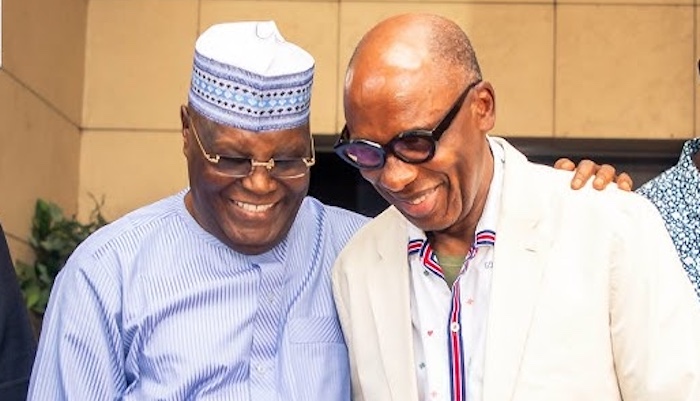
A chieftain of the All Progressives Congress (APC), Ayekooto Akindele, has alleged that the African Democratic Congress (ADC) presidential candidate for the 2027 election, Atiku Abubakar, and his running mate, Rotimi Amaechi, are secretly purchasing shares in the Dangote Refinery.
Akindele made the claim in a Facebook post on Wednesday while commenting on criticism of the administration of President Bola Tinubu. The allegation has also been reported by other Nigerian news outlets, but no independent evidence confirming that Atiku or Amaechi are purchasing the shares was cited in the reports.
The Dangote Petroleum Refinery and Petrochemicals FZE recently opened its Initial Public Offering (IPO), offering 4.1 billion ordinary shares at ₦525 per share. The minimum subscription is 10 shares, valued at ₦5,250, while the offer is scheduled to close on October 13, 2026.
According to Akindele, while Atiku and Amaechi are allegedly buying shares in the refinery, some of their supporters continue to call for the return of fuel subsidy.
He said:
“Atiku and Amaechi are secretly buying Dangote Refinery shares but their uninformed illiterate followers are shouting “Bring back subsidy.” May we not be foolish in our lives.”
Akindele also argued that some Nigerians have become pessimistic about the country, while Nigerians living abroad are investing in Nigerian businesses, including the Dangote Refinery.
He added:
“Wailers living in Diaspora are making their domestic counterparts here feel hopeless about the country.
“Whereas Diaspora Wailers are busy investing in Nigeria, rushing to buy the Dangote Refinery shares, while those Wailers who reside in the same country where Dangote resides are exhibiting traits of hopelessness,”
The Dangote Refinery IPO is expected to raise about ₦2.15 trillion if fully subscribed, with the proceeds intended to support the refinery’s expansion programme.
Akindele’s comments come amid increasing political activity ahead of the 2027 general elections, with competing political camps publicly debating economic policies, including fuel pricing and subsidy-related issues.
